GREDO-Sherikat Center Cooking Demonstration With MtMSG
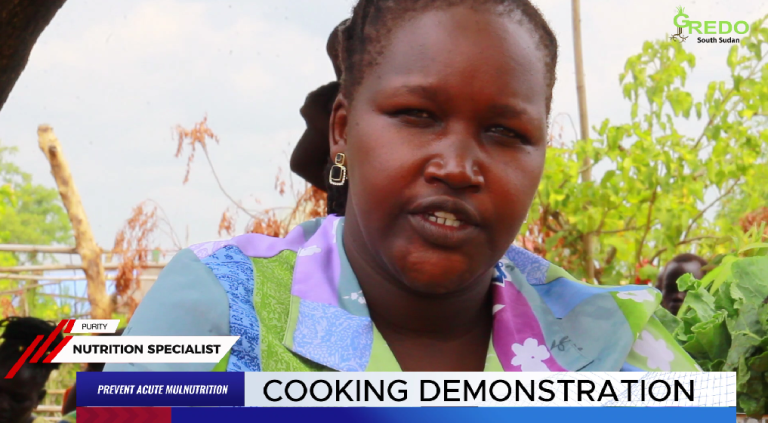
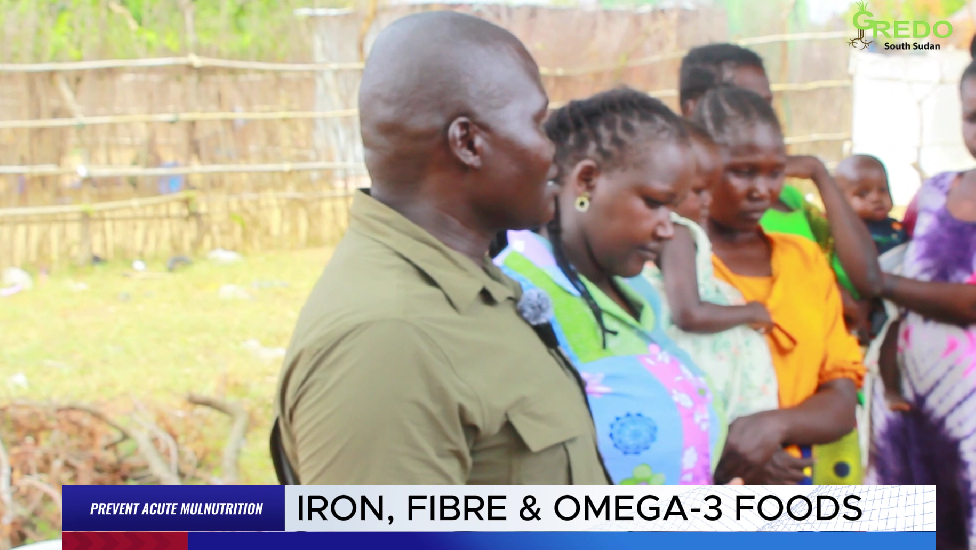
This blog features Purity Chemutai, a Nutrition Specialist for Gredo, who speaks about a nutrition project designed to improve children’s diets by using practical local initiatives to help prevent malnutrition. The project focuses on making nutritious food easier to access and easier to prepare in the home—so caregivers can feed children better with confidence and consistency.
Improving Children’s Diet Through Local Initiatives
Purity explains that the project uses community-based approaches that address the real barriers families face. One major challenge is food access. Many families may struggle to get nutritious foods regularly, especially when they have to travel far to buy vegetables or other health-supporting ingredients. To reduce this issue, the project supports kitchen gardening.
Kitchen gardening helps make food access easier and reduces the cost of buying food from far away. When households can grow vegetables locally, they can access fresh produce more easily, and children are more likely to benefit from balanced meals that include vegetables and other nutritious ingredients.
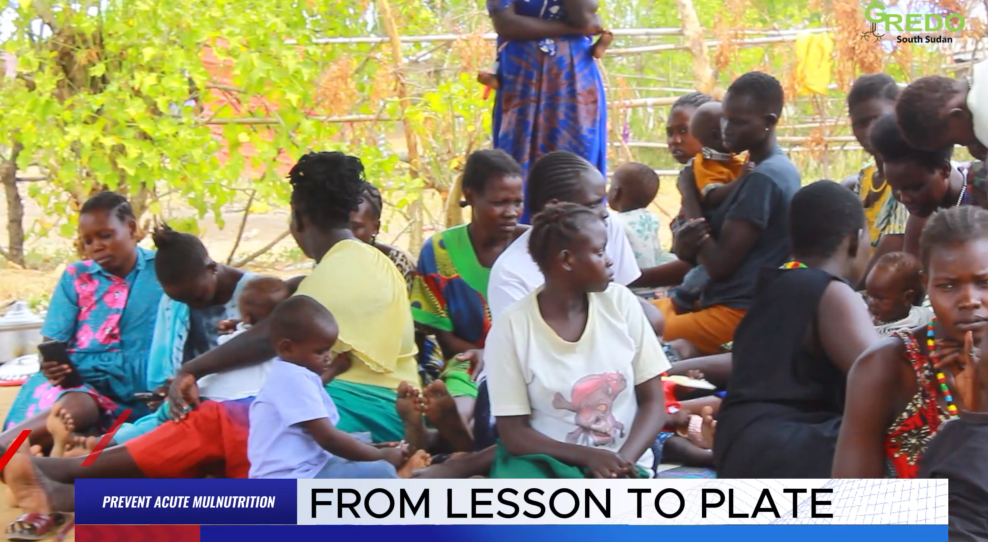
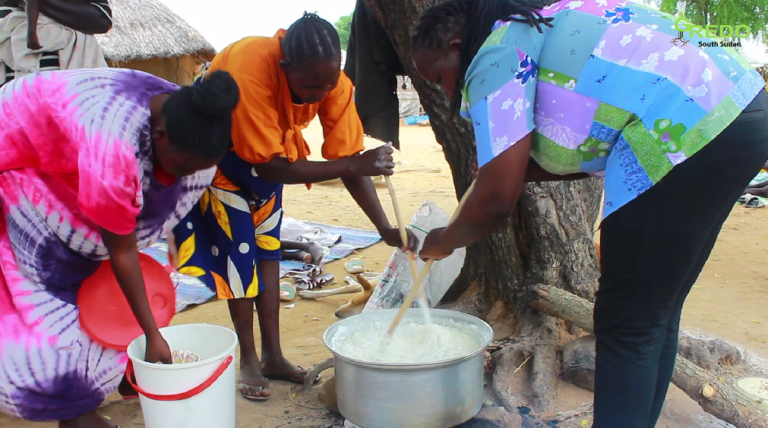
Alongside gardening, the project also provides cooking demonstrations. Purity shares that cooking demonstrations are used to educate mothers on how to prepare balanced diets properly. Many mothers want to feed their children well, but they may not always have clear guidance on what balanced meals should include and how to cook them in the right way. Through demonstrations, mothers learn by watching, understanding preparation steps, and gaining skills they can continue using at home.
Step-by-Step: How the Meals Are Prepared
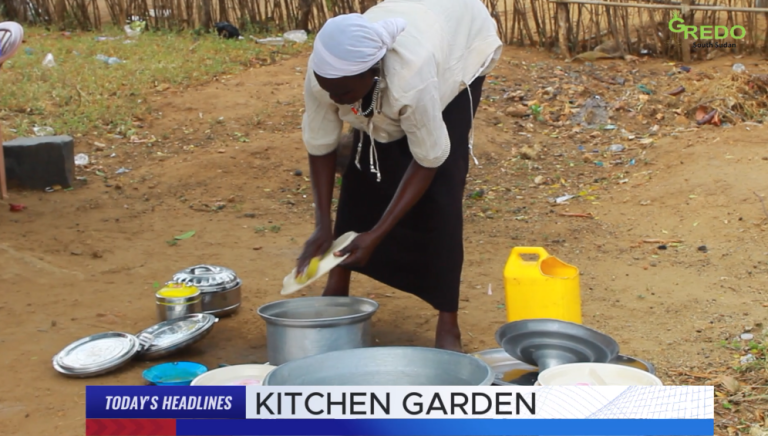
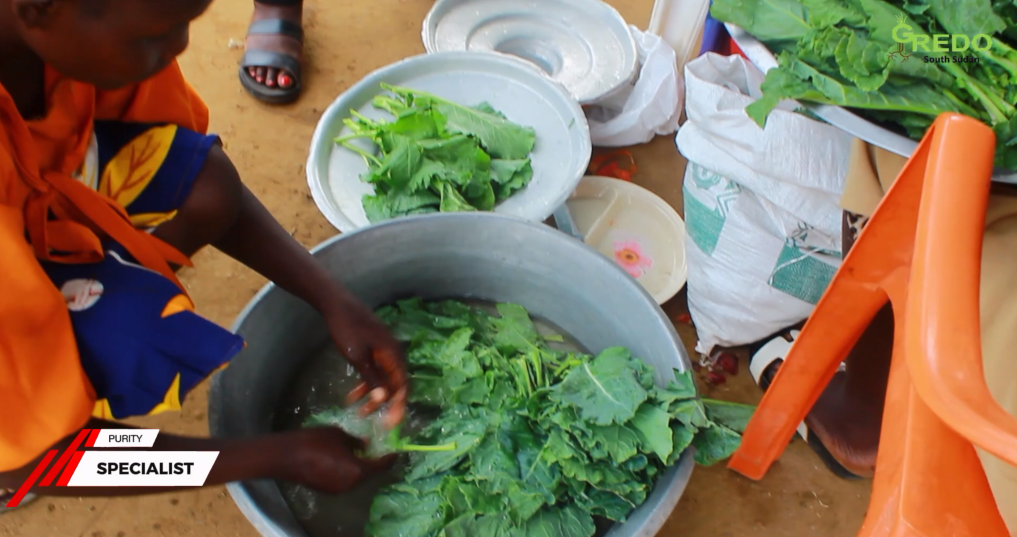
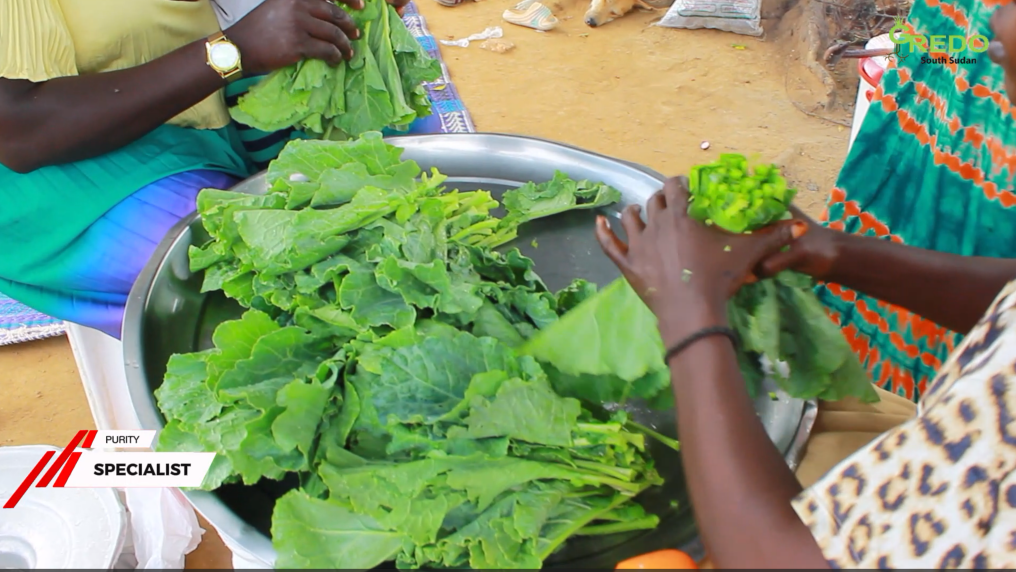
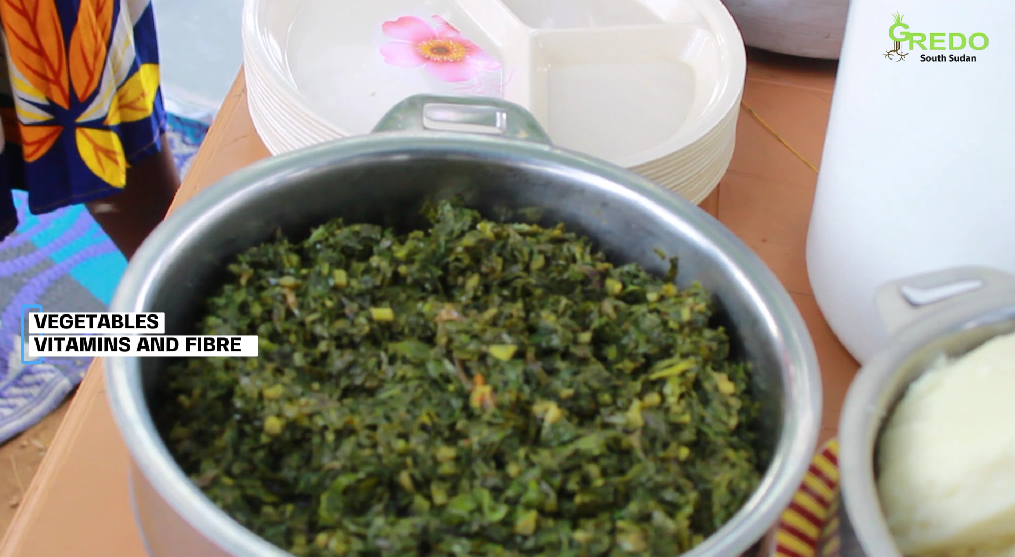
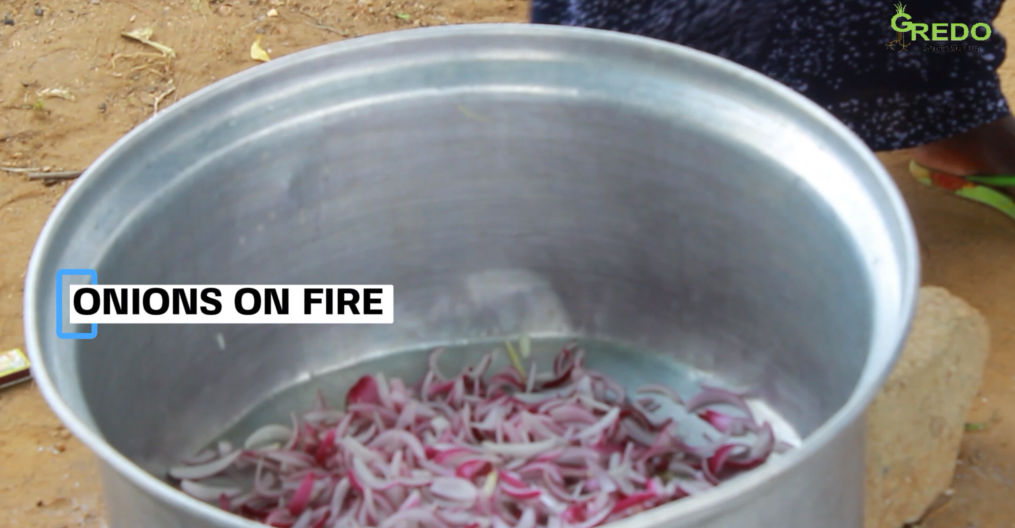
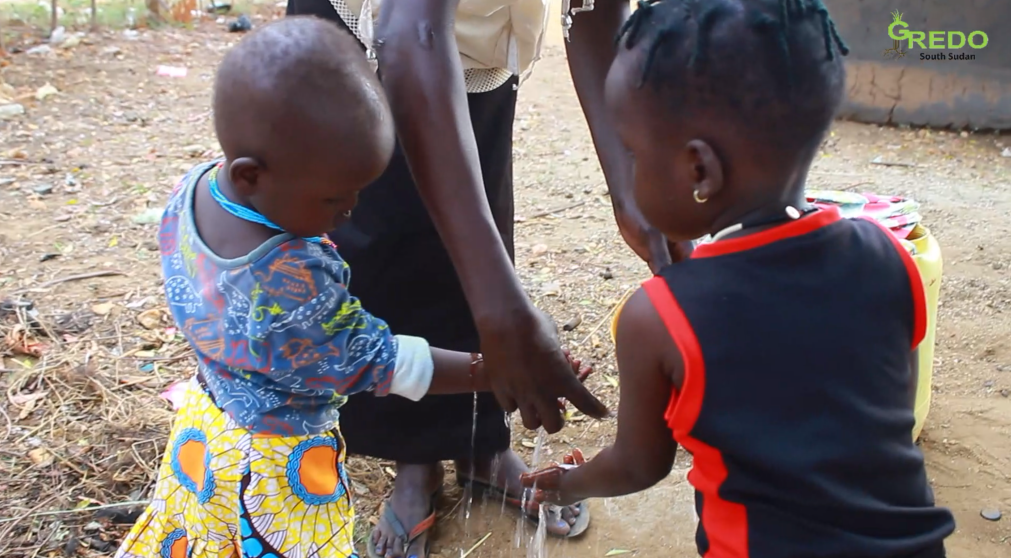
Purity and the team guide caregivers through the cooking process, using clear steps that support both cleanliness and nutrition. First, the vegetables are washed thoroughly to remove impurities and to check for insects. After that, the kales are sliced properly and cooked in a sufuria, while the onions are fried separately to improve flavor and taste.
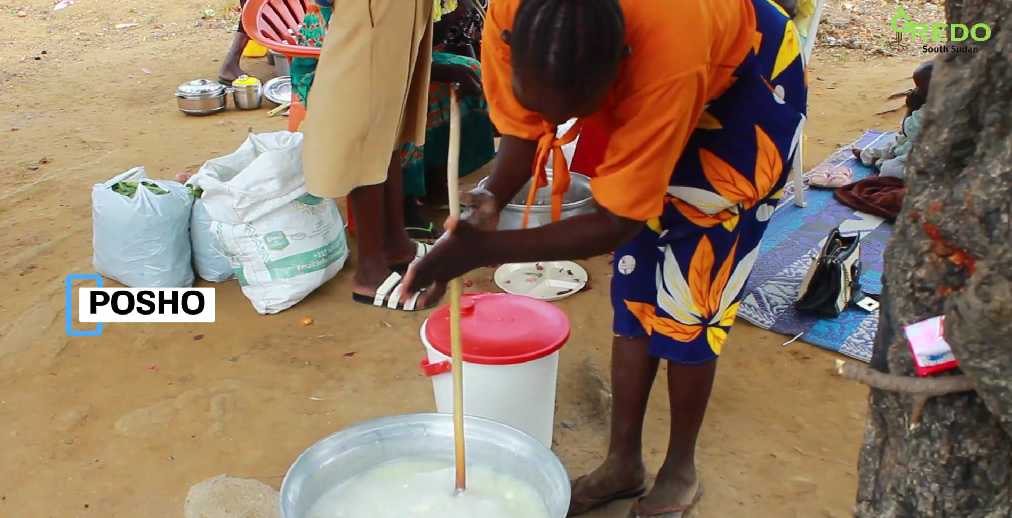
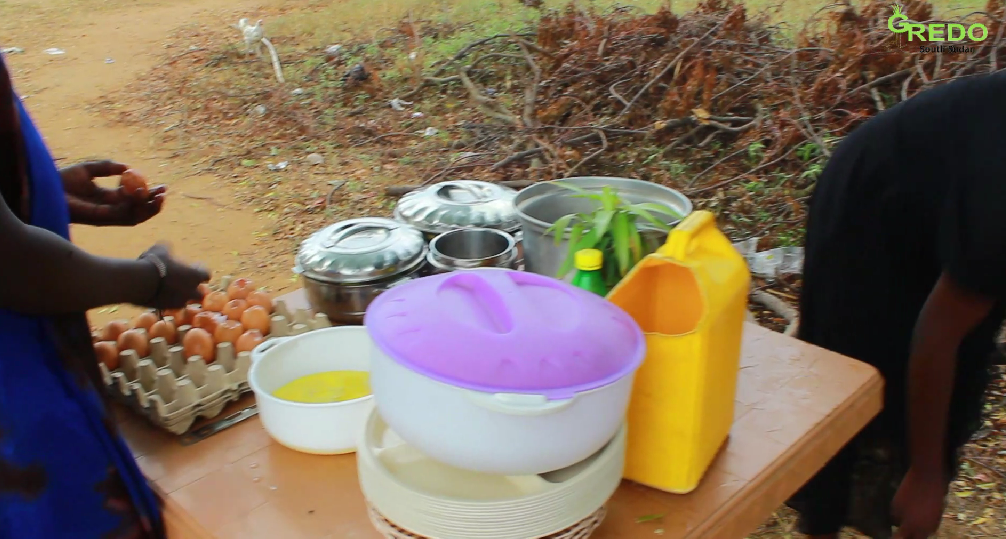
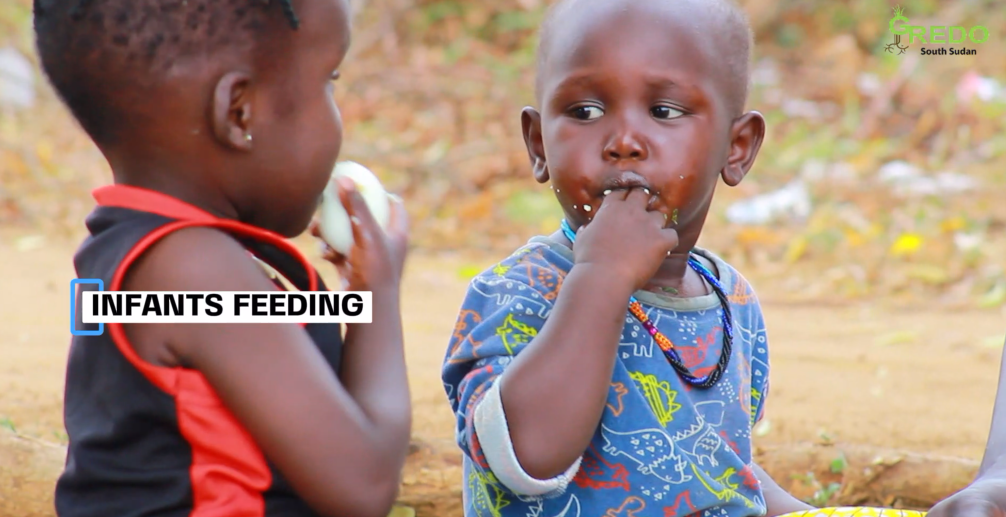
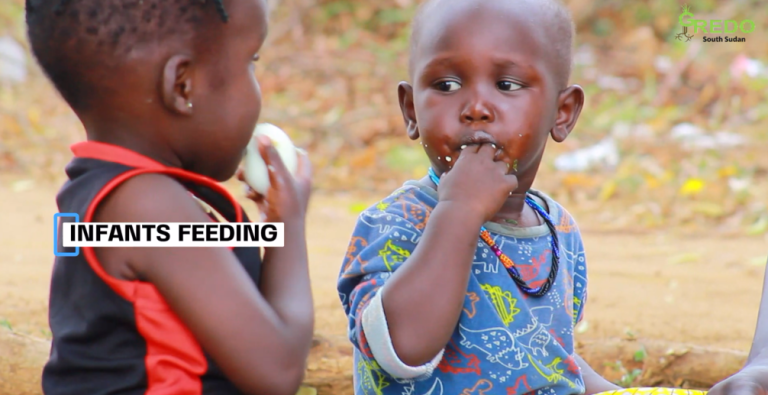
As the vegetables cook, posho is prepared on the side. To make the meal more nutritious and balanced, Purity explains that boiled eggs are included. This combination helps ensure that the meal supports different nutrition needs, making it a stronger option for children’s growth and daily energy.
Community Support from Bongo Charlis
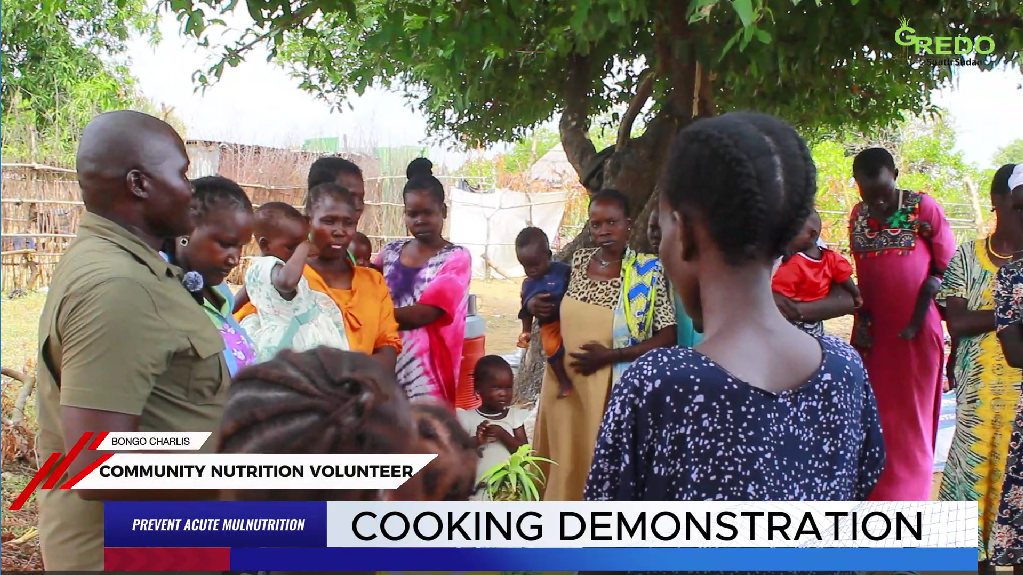
Purity is joined by Bongo Charlis, a community nutritional volunteer, who shares more details about cooking times and preparation planning. Bongo explains that cooking sukuma takes a little time—about 15 to 20 minutes—while cowpeas take longer to cook. This is important for caregivers to understand, because it helps them plan ahead so that all components of the meal are ready together when serving children.
Food Showcase at the End of the Day
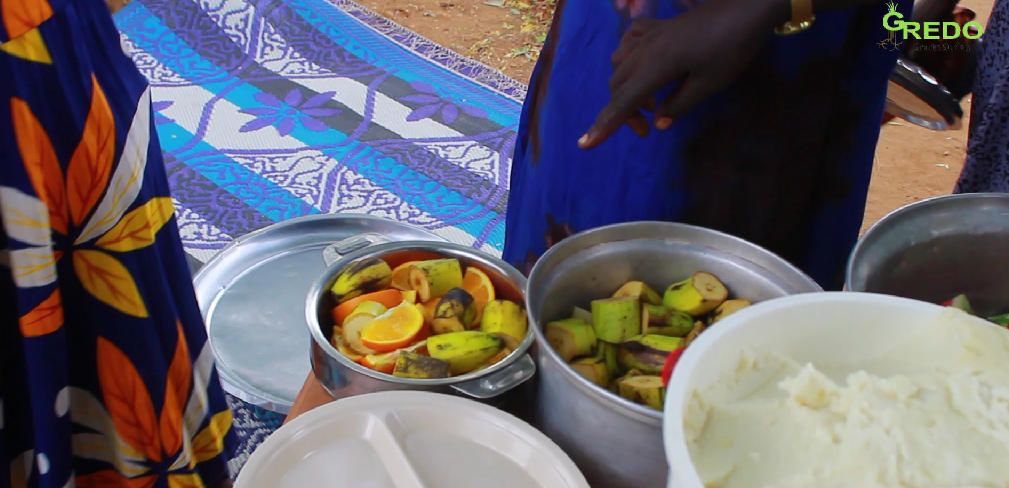
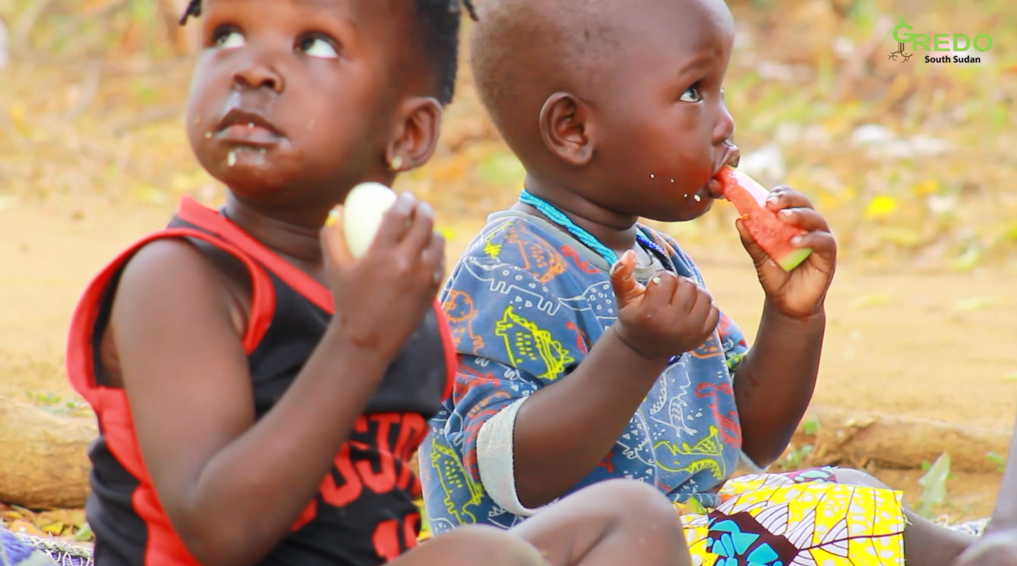
The video ends with a food prepared showcase, where all the meals made during the day are presented. This showcases what the caregivers learned and gives a clear example of what a balanced meal looks like in practice. It also acts as an encouragement tool, helping mothers feel motivated to replicate the same cooking methods at home.
Through kitchen gardening, practical cooking demonstrations, and support from community volunteers like Bongo Charlis, the project continues to strengthen children’s nutrition in a way that is realistic for families. The message is simple: when nutrition knowledge meets local food access, caregivers can create healthier meals for children—supporting growth, preventing malnutrition, and building long-term confidence in feeding practices.