Juba Hai Amarat, Opposite Logali House | info@gredoea.org | +211 916 757 754

EDUCATION
Improved Access To Quality And Equitable Early Childhood Education.
Addressing the Education Crisis and Empowering South Sudan’s Children and Youth
South Sudan’s children continue to face one of the most severe education crises in the world. Years of displacement and weak governance have deprived millions of safe, inclusive, and quality learning opportunities. Today, more than 2.8 million children remain out of school, with girls disproportionately affected due to entrenched cultural norms, early marriage, gender-based violence and entrenched cultural barriers. Limited access to quality teaching and the absence of foundational learning opportunities mean that many children struggle to acquire basic literacy and numeracy skills necessary for future success. Adolescents and youth who miss out on formal schooling also face limited pathways to employment and livelihoods.
In the midst of this crisis, Grassroots Empowerment and Development Organization (GREDO) is working to improve access to quality, inclusive, and practical education opportunities for vulnerable children, adolescents, and youth in Juba, Central Equatoria, with support from UNICEF. GREDO’s education programme focuses on two key areas:
Foundational Literacy and Numeracy (FLN) to strengthen early learning outcomes and improve teaching quality.
Technical and Vocational Education and Training (TVET) to equip youth and adolescents with practical skills for employment and self-reliance.
Foundational Literacy and Numeracy (FLN)
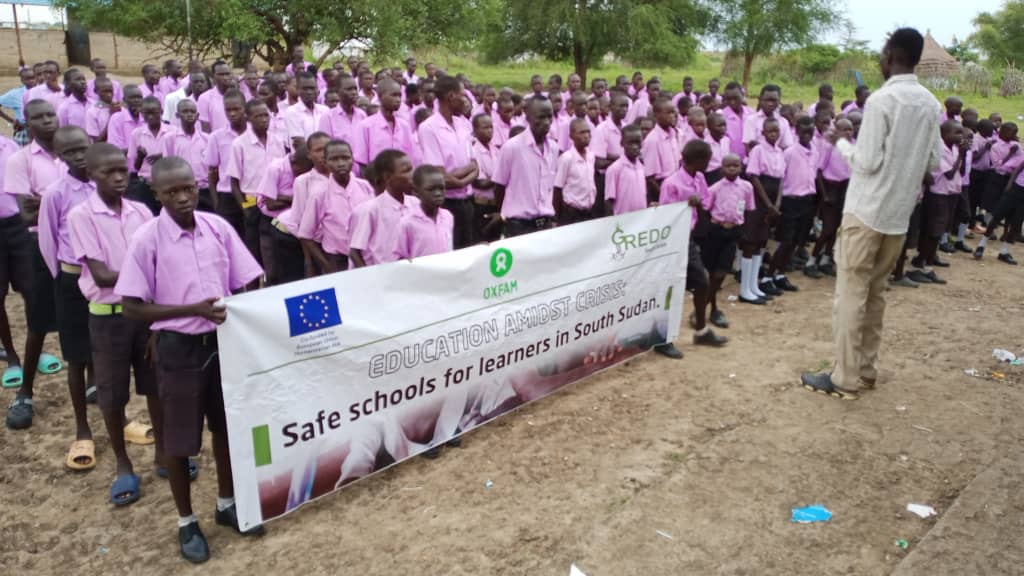
GREDO’s Foundational Literacy and Numeracy (FLN) programme focuses on improving early learning outcomes by strengthening teachers’ capacity to deliver effective literacy and numeracy instruction. Through structured training programmes, teachers are equipped with practical teaching strategies that enhance reading, writing, and numeracy skills among learners in early grades. The training emphasizes interactive and child-centred methodologies that make learning engaging and accessible for all children.
As part of this initiative, GREDO:
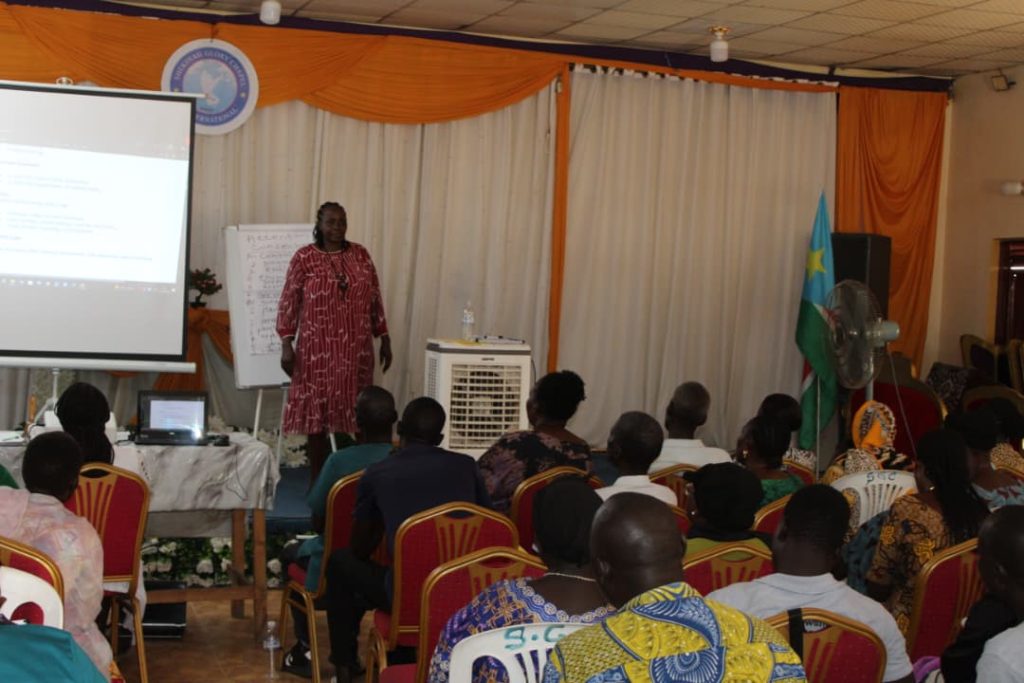
- Conducts teacher training on Foundational Literacy and Numeracy (FLN) methodologies
- Provides teaching and learning materials to support classroom instruction
- Offers in-class mentorship and ongoing coaching to teachers
- Supports vulnerable out-of-school children to enrol or re-enrol in school
The programme also integrates Mental Health and Psychosocial Support (MHPSS) and Social Emotional Learning (SEL) approaches to ensure that classrooms are safe, inclusive, and supportive for children who may have experienced conflict or displacement. By strengthening teacher capacity and improving classroom learning environments, GREDO is helping children build the essential literacy and numeracy skills that form the foundation for lifelong learning.
Technical and Vocational Education and Training (TVET)
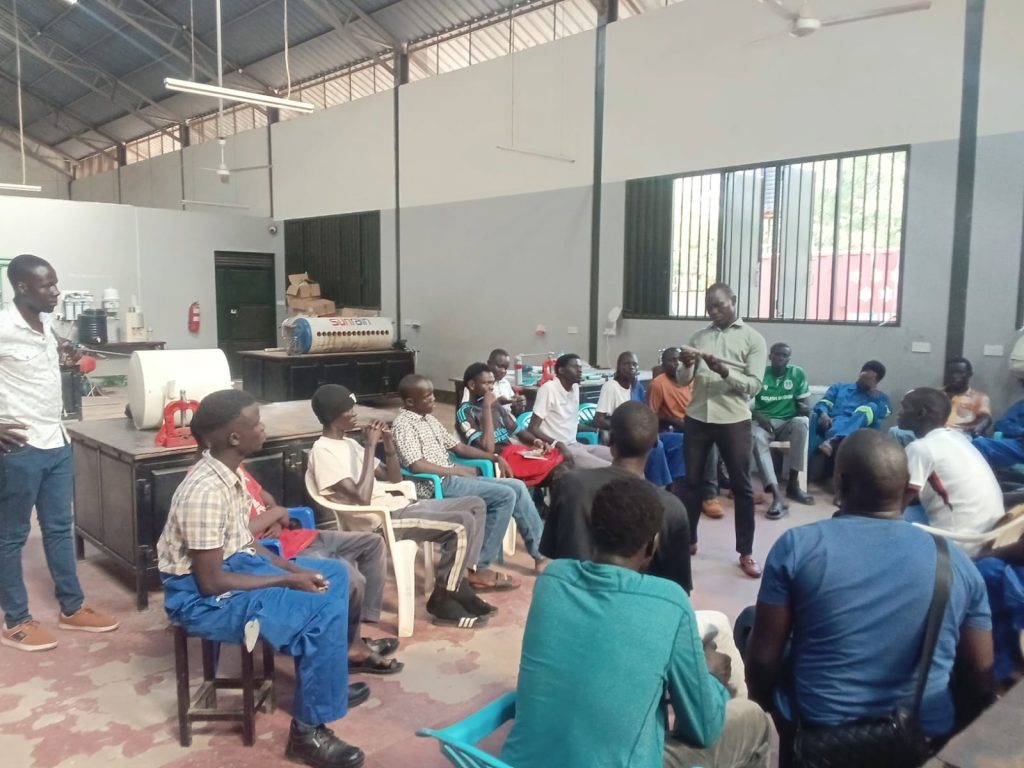
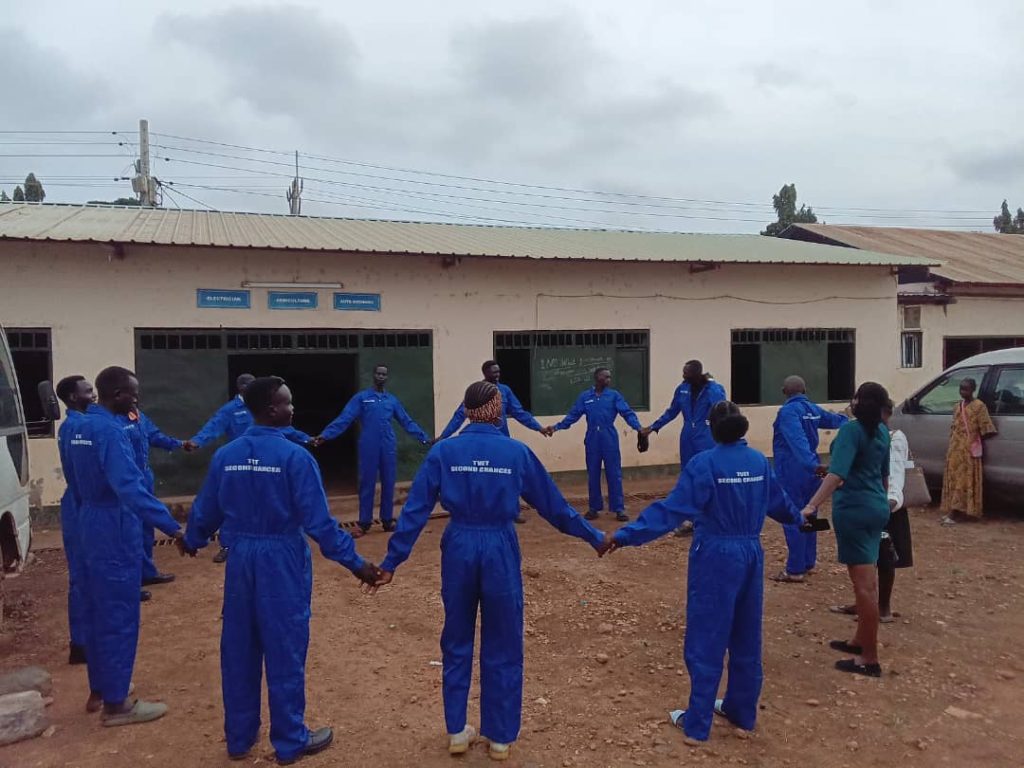
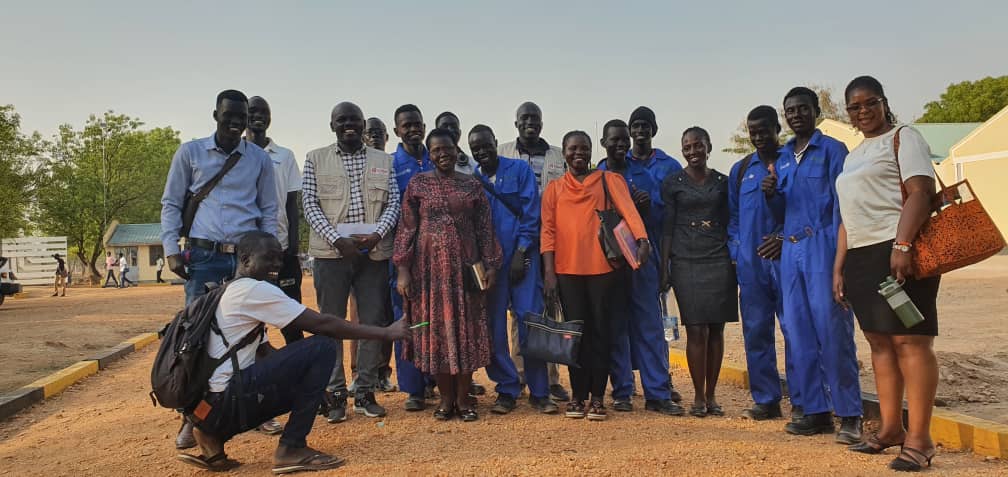
Recognizing that many adolescents and youth have missed formal education opportunities, GREDO supports Technical and Vocational Education and Training (TVET) as an alternative pathway to skills development and employment. Through partnerships with established TVET centres in Juba, GREDO facilitates access to vocational training for vulnerable youth and adolescents, including those who are out of school, unemployed, or at risk of harmful coping mechanisms. Participants are trained in market-relevant trades such as:
- Carpentry and joinery
- Tailoring and fashion design
- Motor vehicle mechanics
- ICT and computer skills
- Hairdressing and beauty services
- Welding and metal fabrication
- Electrical installation
- Building and construction
Upon successful completion of their courses, graduates receive start-up kits or small capital support to help them begin income-generating activities. GREDO also provides mentorship and follow-up support to help young people transition into self-employment or other livelihood opportunities. The programme particularly prioritizes girls and young women, who often face barriers to education and employment.
By creating safe and inclusive training opportunities, GREDO empowers young women to develop skills, increase their economic independence, and contribute to their communities. Through the TVET programme, GREDO is helping young people transform skills into sustainable livelihoods and a pathway toward economic resilience. Through UNICEF-supported programmes, GREDO is not only restoring access to education but also laying the foundation for resilience, dignity, and opportunity for South Sudan’s next generation.
Integration to the Youth and Adolescent programming
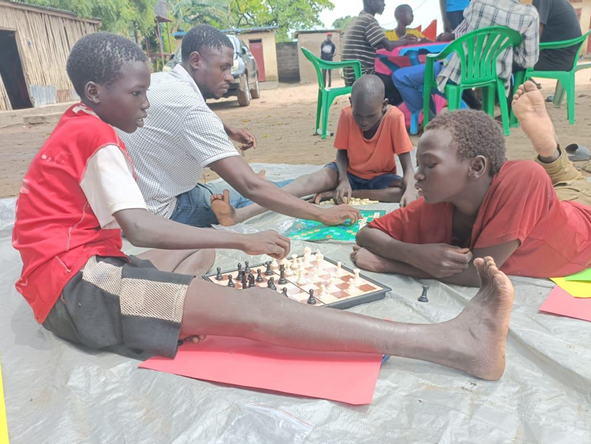
GREDO’s education initiatives are closely integrated with its Youth and Adolescent Programme, which provides Mental Health and Psychosocial Support (MHPSS) services through youth centres in Juba. These centres serve as safe spaces where vulnerable children, adolescents, and young people can access counselling, mentorship, life skills sessions, and psychosocial support.
Beneficiaries enrolled in schools through the Foundational Literacy and Numeracy (FLN) programme or vocational training through TVET are identified through these youth centres. Before enrolment, each participant undergoes a comprehensive case management process conducted by trained social workers and counsellors.
This process helps assess individual needs, risks, and strengths to ensure that children and youth are referred to the most appropriate education or skills pathway. Mental health and psychosocial wellbeing are central to the programme. Many of the children and youth supported by GREDO have experienced conflict, displacement, violence, or other forms of vulnerability.
By integrating MHPSS into education and skills training, GREDO ensures that participants receive the emotional and social support needed to successfully engage in learning and rebuild their lives. This integrated approach strengthens protection outcomes while enabling children, adolescents, and youth to transition safely into education, skills development, and sustainable livelihoods.