Juba Hai Amarat, Opposite Logali House | info@gredoea.org | +211 916 757 754
Inspirators Promote Youth Mental Health Through Good Nutrition

Mental health is an essential part of the overall wellbeing of youth and adolescents. During this stage of life, young people experience rapid emotional and physical changes while also facing pressure from school, friends, family and the wider community.
Stress may develop quietly because of fear of failure, conflict with others, lack of support or difficulty understanding and expressing emotions. Mental health is therefore not only about mental illness. It also affects how young people think, manage their emotions, build relationships and respond to everyday challenges.
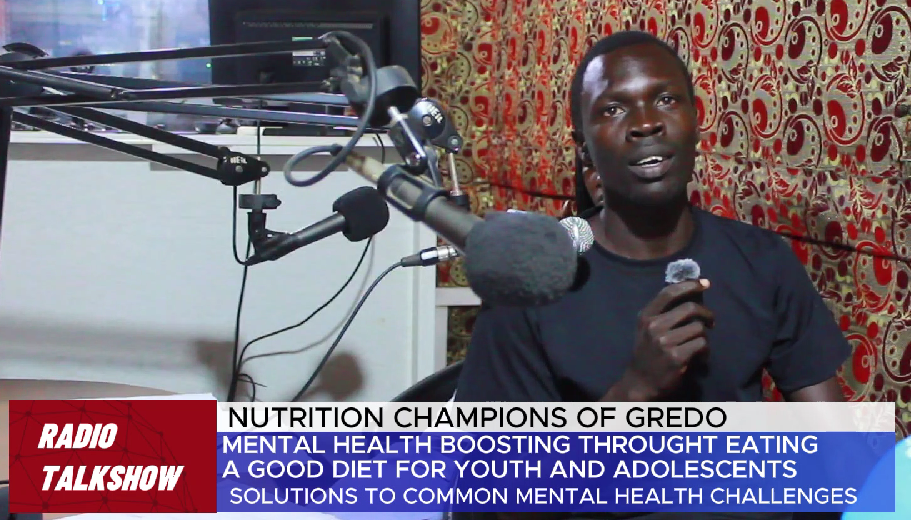
During a recent radio talk show, GREDO Inspirators and nutrition officers discussed the connection between mental health, good nutrition, community awareness, effective communication and positive parenting. The programme shared practical ways families and communities can help young people become healthier, more confident and emotionally resilient.
Understanding Mental Health
Tonny Anthony, a GREDO Inspirator, explained mental health in a simple and relatable way. He described it as a person’s emotional, psychological and social wellbeing.
Mental health influences how a young person feels, thinks through problems and interacts with others. Tonny emphasised that it is an important part of overall health and can be strengthened through guidance, supportive relationships and healthy daily habits.
He also highlighted the importance of giving young people opportunities to speak openly about their experiences. Many youth and adolescents need someone who listens, understands and helps them recognise and express what they are feeling.
When mental health is treated as an important part of everyday wellbeing, young people are more likely to communicate their challenges, seek support and develop resilience.
Using Communication to Encourage Healthy Behaviour
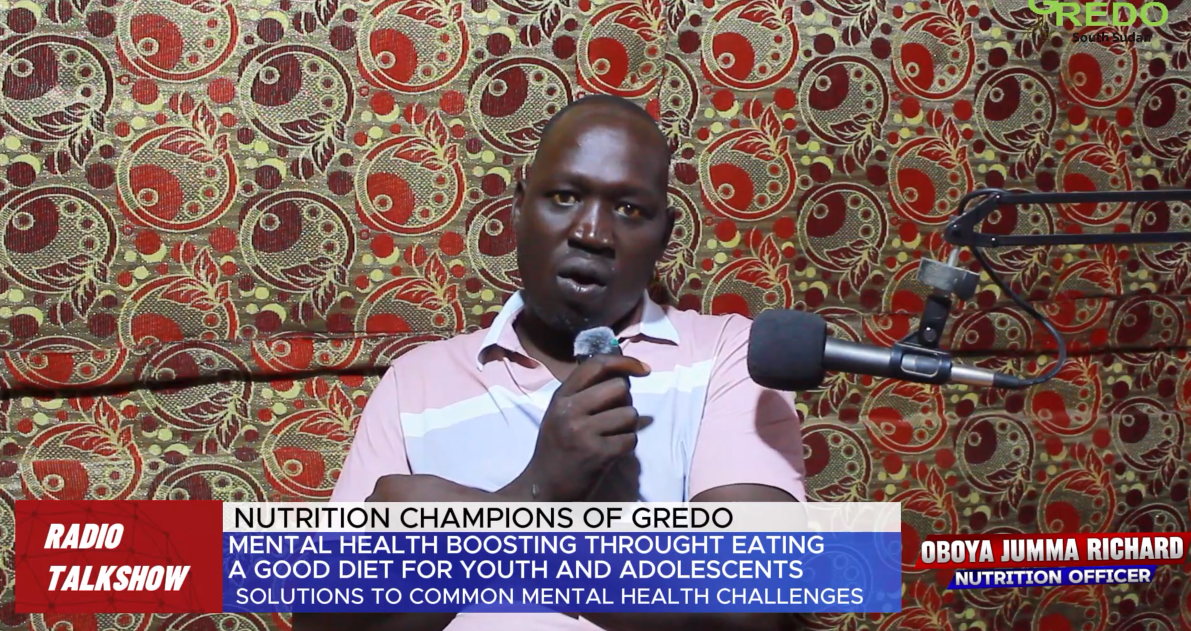
Oboya, a nutrition officer, discussed the importance of behaviour change communication. He explained that information alone is not always enough to change people’s habits. Individuals and families also need practical guidance and continued support to understand and apply healthy practices.
Radio talk shows are valuable communication tools because they can reach large audiences, encourage community participation and create greater awareness of important health issues.
Oboya noted that strengthening the quality and reach of radio messages can help more people understand the relationship between nutrition and mental health. Assessing community awareness is also important because it allows programme teams to understand how many people have received the information and whether they have understood it correctly.
Good Nutrition Supports Learning and Brain Development
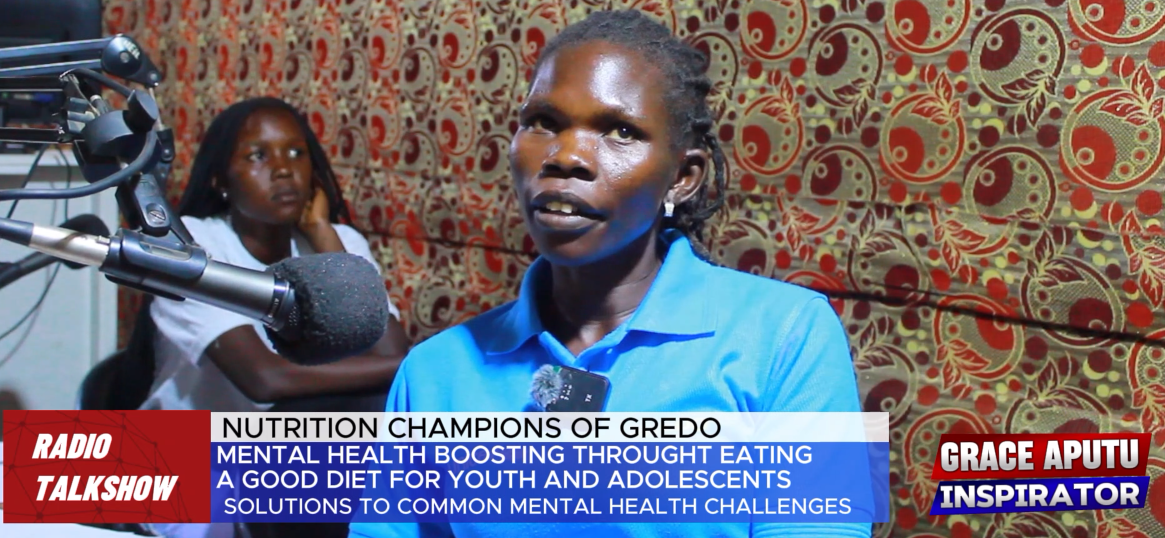
Grace Aputu, a GREDO Inspirator, explained how nutrition supports learning, concentration and healthy brain development.
She highlighted the importance of nutrients such as iron and protein, which contribute to the development and functioning of the brain. A healthy and balanced diet can help young people remain focused, active and prepared to learn.
Her message emphasised that good nutrition supports both the body and the mind. When youth and adolescents receive the nutrients they need, they are better able to concentrate in school, participate in daily activities and maintain their overall wellbeing.
The Important Role of Parents
Speaking from a parenting perspective, Oboya encouraged parents and caregivers to lead by example. Children often learn healthy behaviours by observing the adults around them.
Parents should therefore encourage balanced eating habits and consistently work to meet their children’s nutritional needs. Nutritious food supports physical growth, energy levels, emotional stability and healthy brain development.
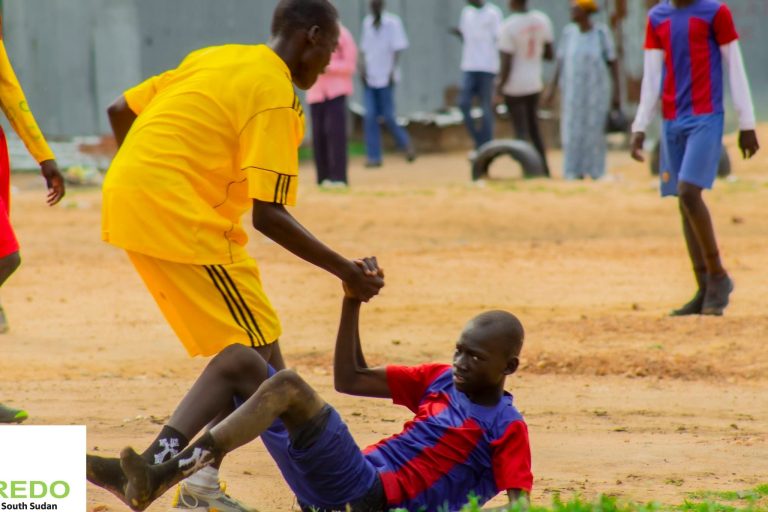
Oboya also encouraged families to create time for physical exercise and allow children to discover and develop their talents. Participation in sports, creative activities and other interests can help young people build confidence, remain active and develop a stronger sense of purpose.
Supporting Young People Through Everyday Actions
The radio talk show demonstrated that supporting the mental health of youth and adolescents requires practical action at home and within the community.
Families and communities can make a difference by:
- promoting a clear understanding of mental health;
- encouraging young people to communicate openly;
- providing healthy and balanced meals;
- creating opportunities for physical activity;
- supporting young people to explore their talents; and
- building caring and supportive relationships.
Through community awareness, good nutrition, positive parenting and effective communication, GREDO continues to promote healthier and more resilient youth and adolescents.