Juba Hai Amarat, Opposite Logali House | info@gredoea.org | +211 916 757 754
GREDO’s Nutritional Aid Program: Targeted Children Overview (Zahra Yasser)

Reducing Malnutrition Through Complementary Feeding (6–23 Months)
In South Sudan, malnutrition remains one of the most serious threats to young children’s health and development—especially for children between 6 and 23 months. This is a critical stage of life when babies begin transitioning from breastmilk to complementary foods. If children do not receive enough nutrient-dense meals or the foods are not prepared correctly, their growth can be quickly affected.
Our Nutritional Aid Program is built to address this challenge by supporting healthy complementary feeding for children aged 6–23 months. The project works toward one clear outcome: reducing malnutrition by helping caregivers provide the right foods in the right way, using easy-to-follow preparation guidance.
Who the project targets
This initiative focuses on children aged 6 to 23 months, a period when nutritional needs are especially high. At this stage, children require energy-rich and nutrient-dense foods to grow, stay strong, and develop properly. To support this, the program provides assistance and practical education to caregivers, helping them understand how to prepare complementary foods safely and effectively so children can get the nourishment they need.
How Complementary Feeding Works
Complementary feeding helps children between 6 and 23 months get the extra nutrients they need as they start moving beyond breastmilk. In this project, caregivers and communities are supported with practical guidance on how to prepare and serve physical foods as part of a child’s everyday diet.
The program builds on what families already know by training caregivers in a simple, hands-on way that connects three key areas:
- Breastfeeding: Ensuring caregivers understand how breastfeeding continues to support children’s nutrition while complementary foods are introduced.
- Introduction of physical foods: Teaching caregivers how to choose appropriate foods and prepare them correctly, so children receive nutritious meals they can digest and benefit from.
The overall goal is to support children to receive consistent, nutrient-rich meals, while helping caregivers feel confident about what to feed and how to prepare it safely and correctly.
The Nutritious Porridge: Neema
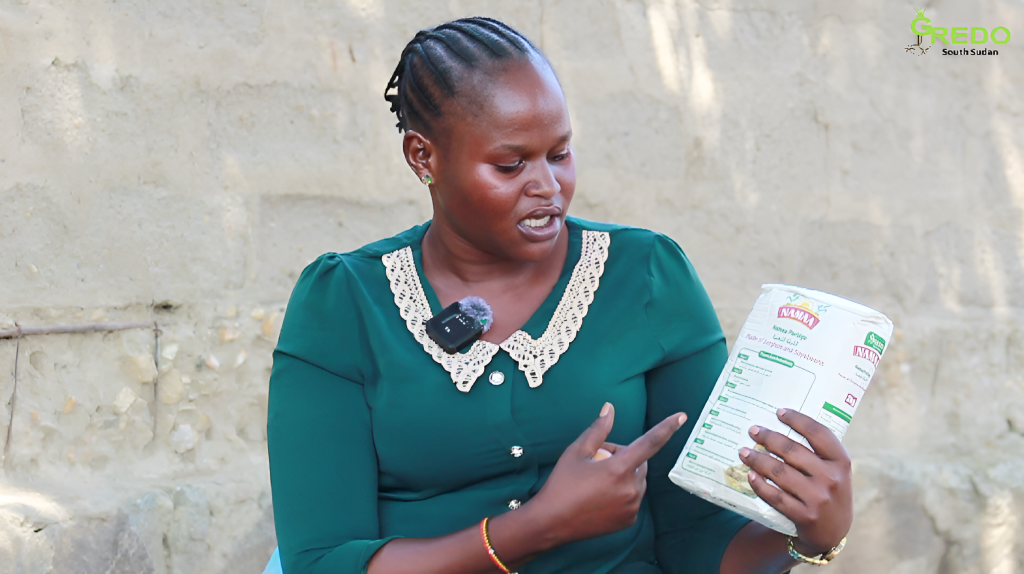
At the heart of the project is Neema porridge, a specially prepared blend designed to support children’s nutrition during the 6–23 month stage. Neema is made using sorghum and soya beans, which are blended together to create a nutrient-rich meal for young children. The mix is formulated to provide important nutrients that help children grow strong and healthy, supporting their overall development with the right balance of vitamins and nourishment.
Portion Size and Delivery Schedule
To ensure children receive consistent support, the porridge ingredients are provided with clear amounts and a regular schedule:
- 2kg of porridge ingredients per child
- Bi-weekly delivery (every two weeks)
Along with the ingredients, caregivers receive simple preparation guidance to help them learn how to make the porridge correctly at home. The purpose is not only to provide food on delivery day, but also to build lasting knowledge—so families can continue preparing nutritious meals long after the project visit ends.
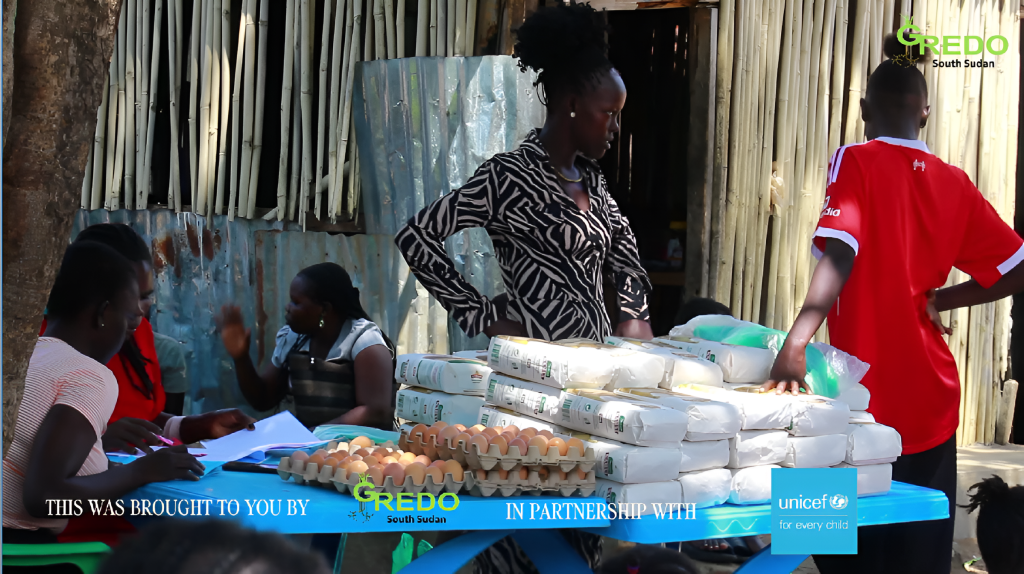
Community involvement in food distribution
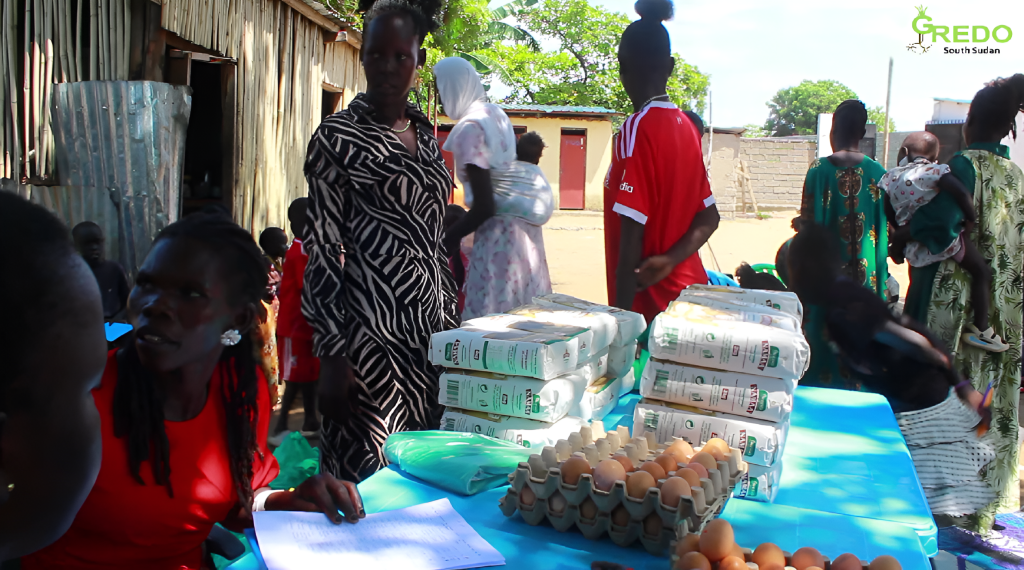
A major strength of the project is the involvement of community members. Communities help monitor and organize the distribution process to ensure it stays fair, orderly, and well-managed. This community support helps make sure the right food portions reach the intended households, reducing confusion and improving accountability throughout delivery.
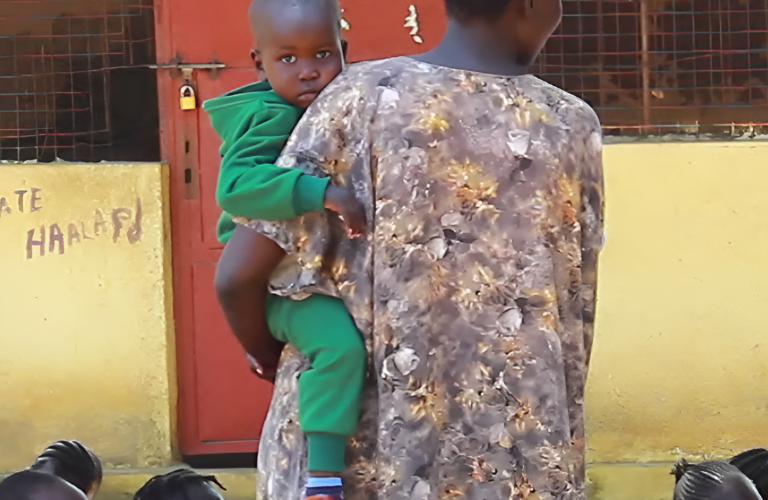
To ensure caregivers stay informed, parents were also guided through the instructions provided at the back, supporting them in learning how to prepare the porridge for their children.
On the Day: Zahra at Sherikat Center
During this reporting period, Zahra visited Sherikat Center to carry out the project’s bi-weekly deliveries. The session focused on making sure caregivers received the correct portion amounts and understood the key steps for preparing healthy complementary feeding. By combining reliable food support with hands-on guidance, the project helps children receive the nourishment they need while strengthening caregiver confidence and understanding.